
Roma Heritage
Roma heritage is a living story shaped across centuries, countries and generations.
The Roma people have a rich and diverse cultural identity expressed through language, family traditions, music, craftsmanship, storytelling, community life and a shared history.
Roma London works to celebrate this heritage, preserve its memory and ensure that younger generations can understand where they come from while confidently building their future.
Our message is simple:
Our heritage belongs to the past, the present and the generations still to come.

Living Traditions
Roma traditions have been carried from generation to generation through families and communities.
Craftsmanship, storytelling, celebrations, family customs, music and community gatherings have all helped preserve identity through centuries of change and migration.
Roma communities are diverse, and traditions vary between families, groups and countries. Our aim is to celebrate this diversity rather than present Roma culture as one single tradition.
Language, Music & Arts
The Romani language is one of the strongest links connecting Roma communities with their history and origins.
Across generations, Roma people have also expressed identity through music, dance, storytelling, craftsmanship and visual arts.
Roma musicians and artists have contributed to the cultural life of many countries while developing distinctive traditions within their own communities.
Roma London wants to help preserve these cultural expressions and give new generations opportunities to learn, create and share them.


Roma Heritage and History

The history of the Roma people stretches across many centuries.
Linguistic and historical research traces Roma origins to the Indian subcontinent, followed by migrations westward through regions of Asia and eventually into Europe.
Over the centuries, Roma communities developed across many countries while maintaining elements of shared language, culture and identity.
This history also includes persecution, exclusion, slavery in parts of Europe and the genocide of Roma during the Second World War.
But Roma history is also a history of survival, creativity, family, cultural continuity and international organisation.
In 1971, Roma representatives from several countries gathered near London for the First World Roma Congress — a landmark moment in the development of the modern international Roma movement.
OUR HERITAGE — OUR FUTURE
Passing Heritage Forward
Join the Community
Heritage survives when it is shared.
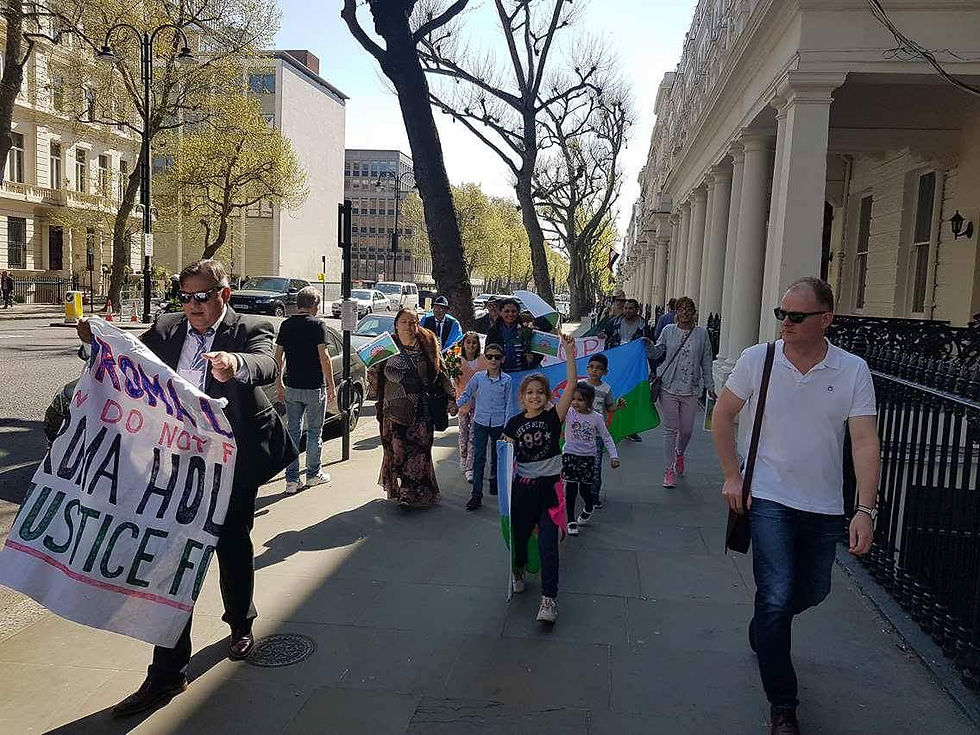
Roma London wants children and young people to know their history, language, culture and traditions while having every opportunity to participate fully in modern British society.
We want to create spaces where generations can meet, stories can be recorded, music can be shared, traditions can be celebrated and Roma identity can continue to develop.
Our heritage is not something preserved only in museums.
It lives through people.